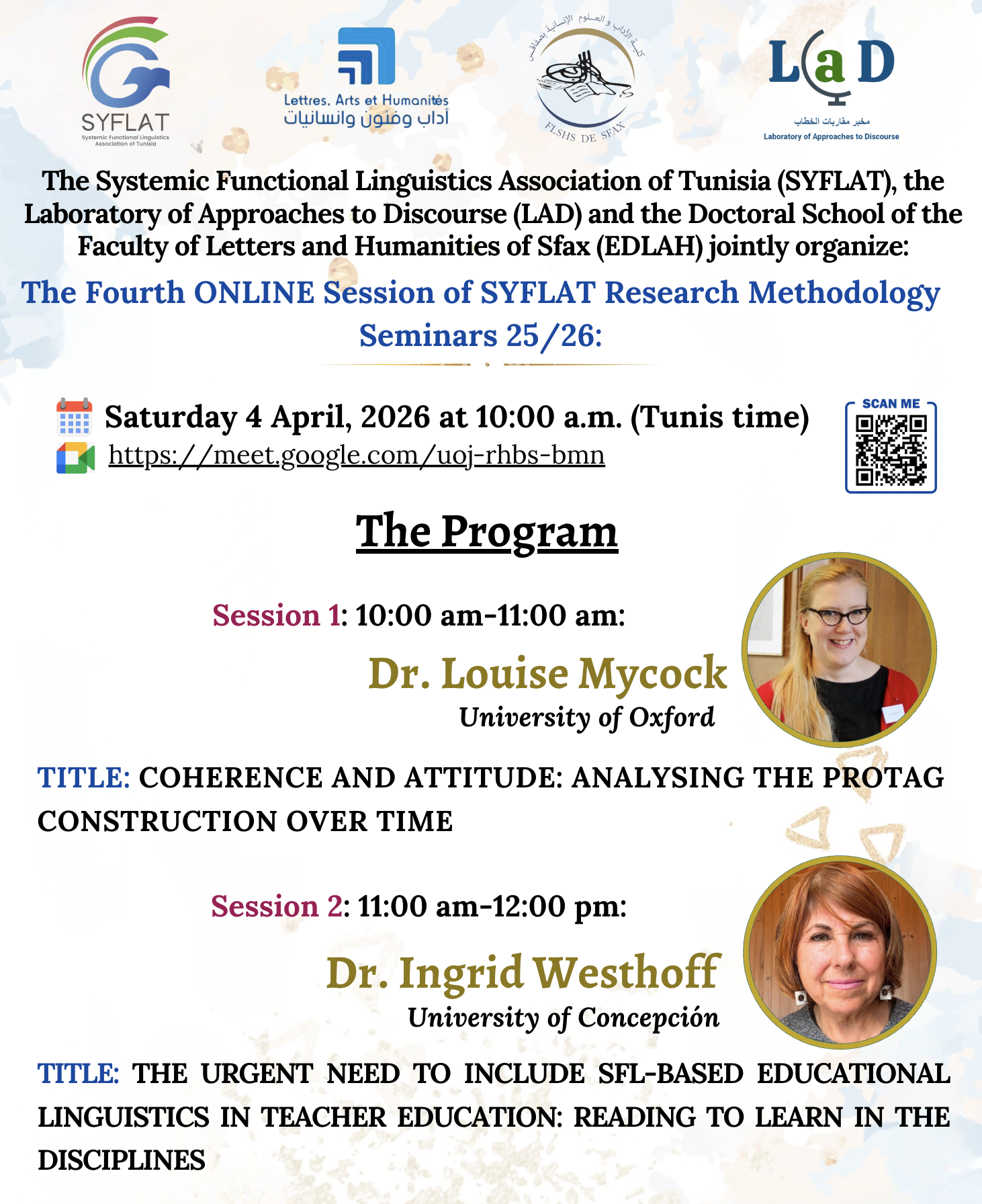
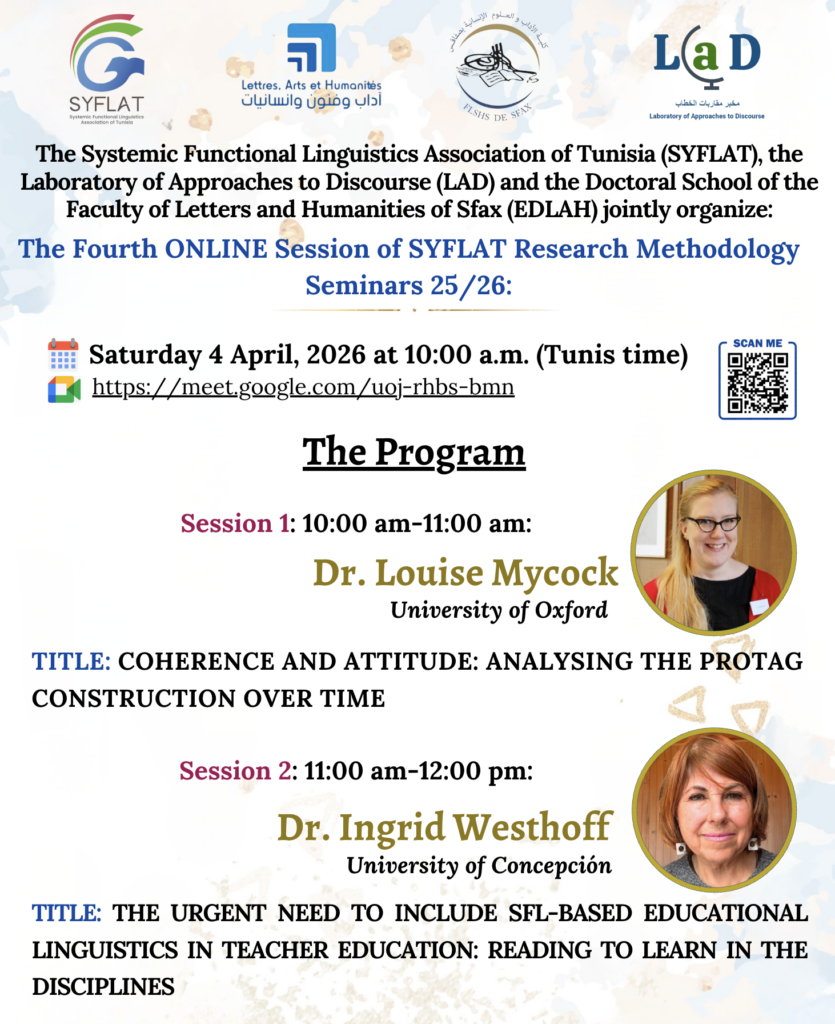
The Fourth ONLINE Session of SYFLAT Research Methodology Seminars 25/26:
Saturday 4 April, 2026 at 10:00 a.m. (Tunis time)
https://meet.google.com/uoj-rhbs-bmn
The Program
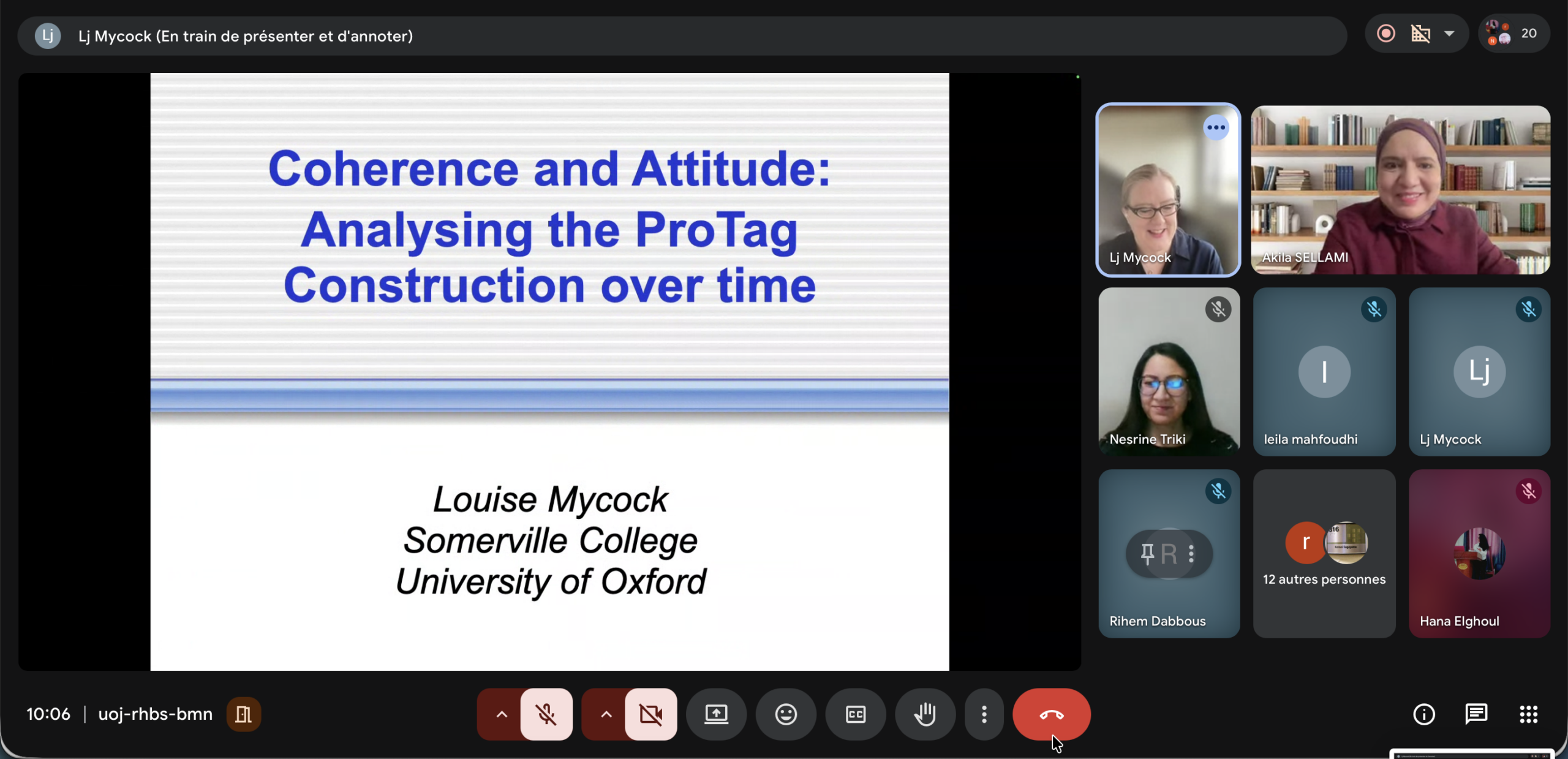
Session 1: 10:00 am-11:00 am: Dr. Louise Mycock (University of Oxford)
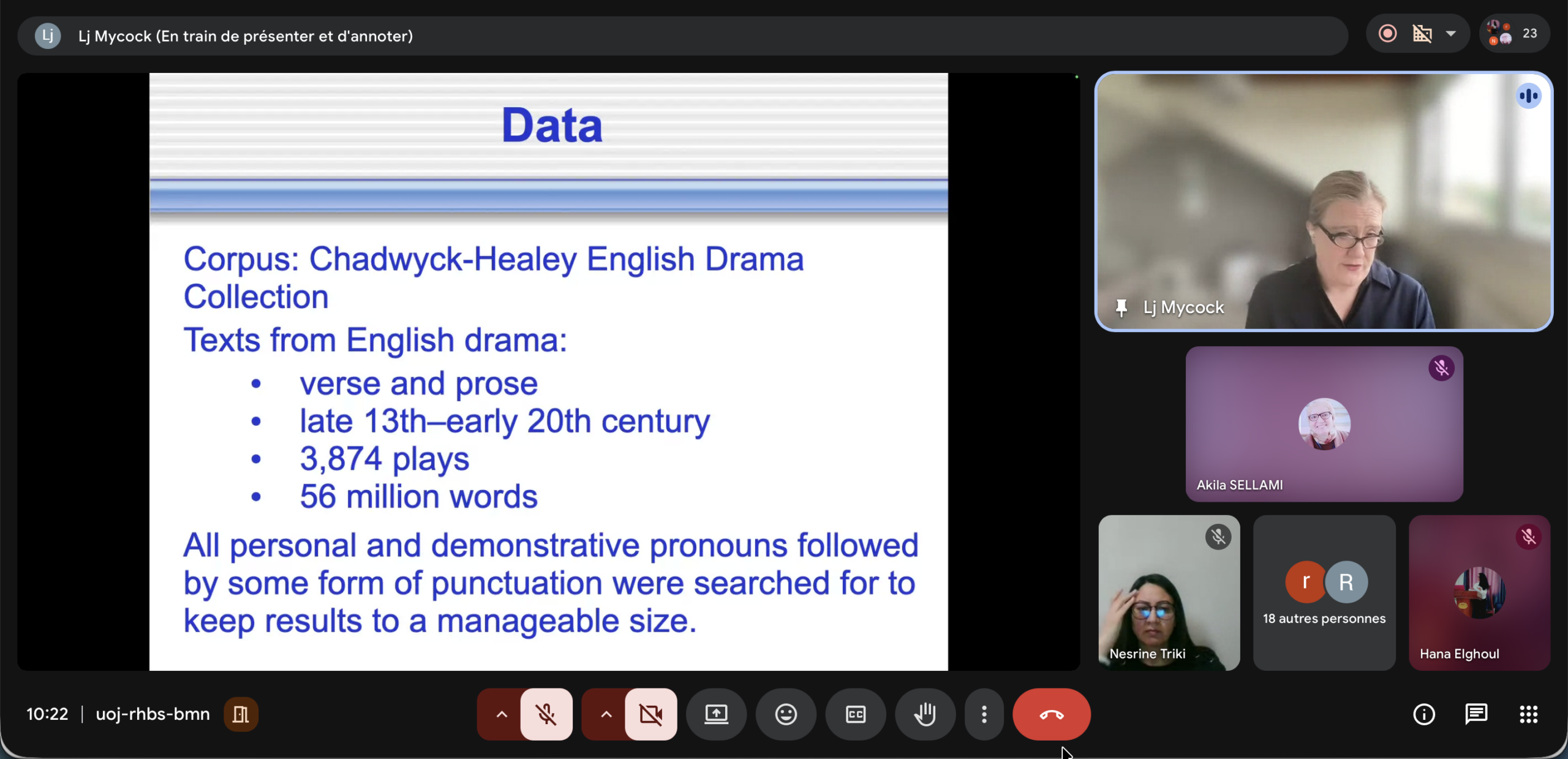
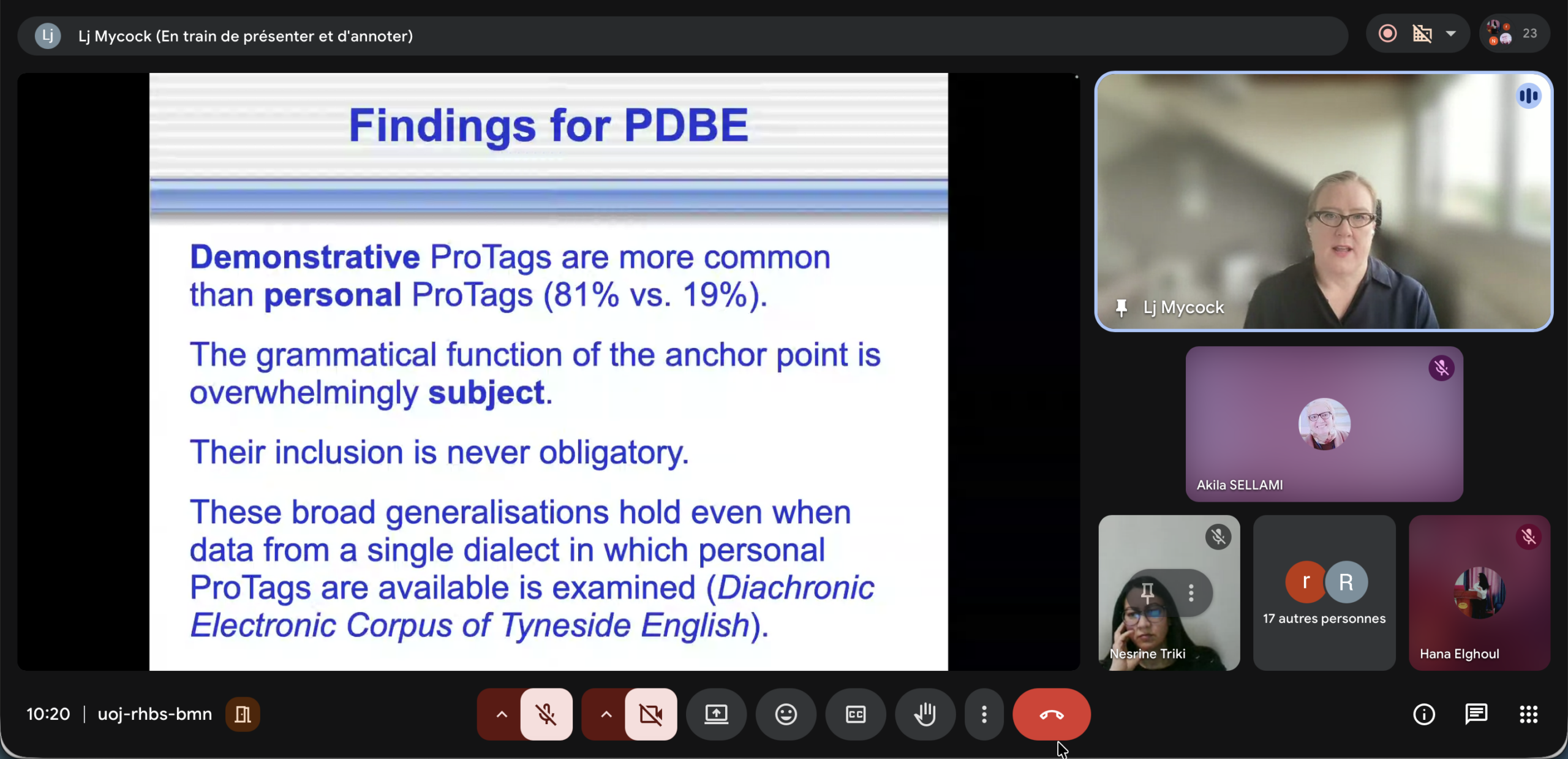
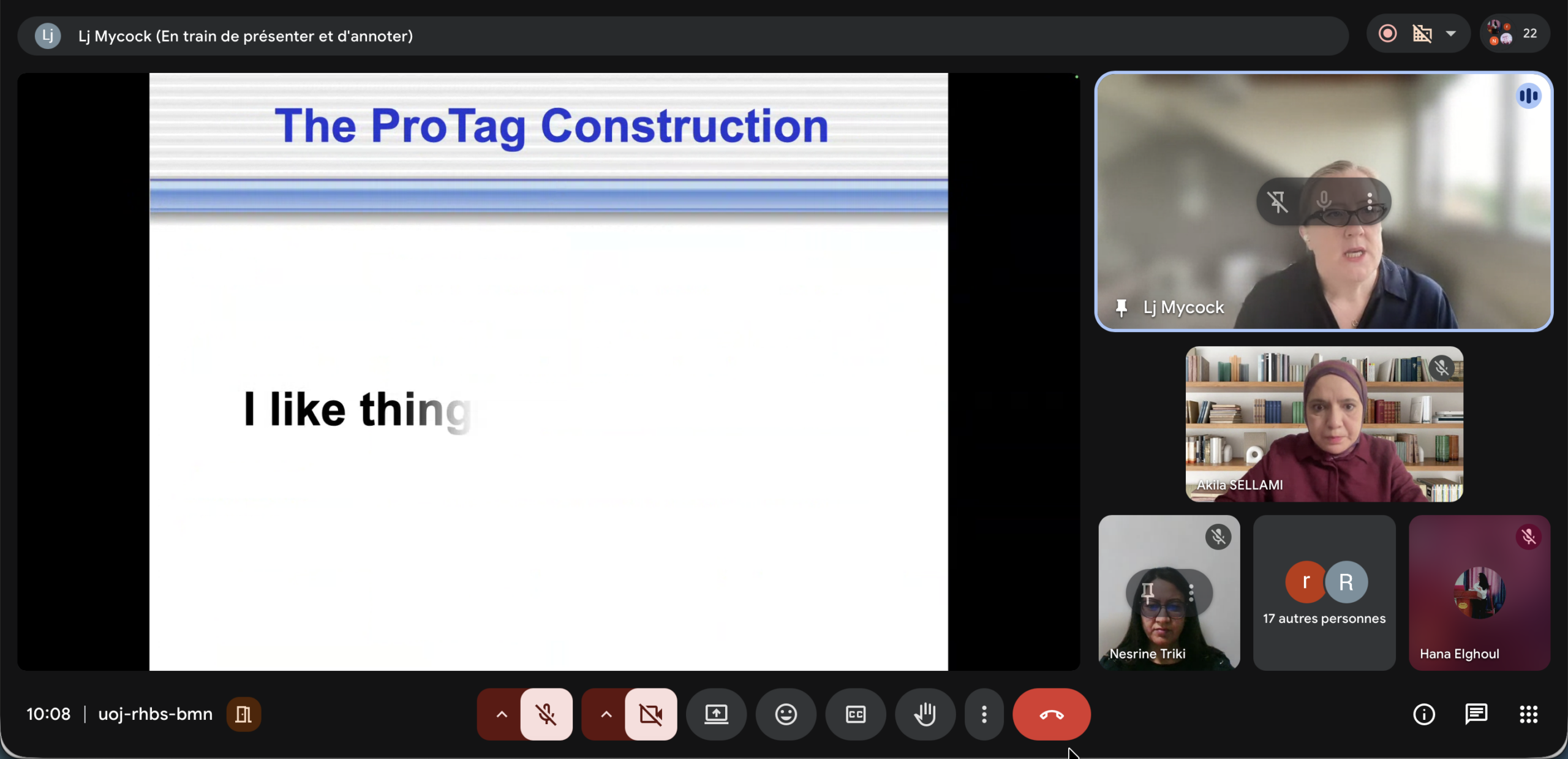
Title: Coherence and Attitude: Analysing the Protag Construction over time
Session 2: 11:00 am-12:00 pm: Dr. Ingrid Westhoff (University of Concepción)
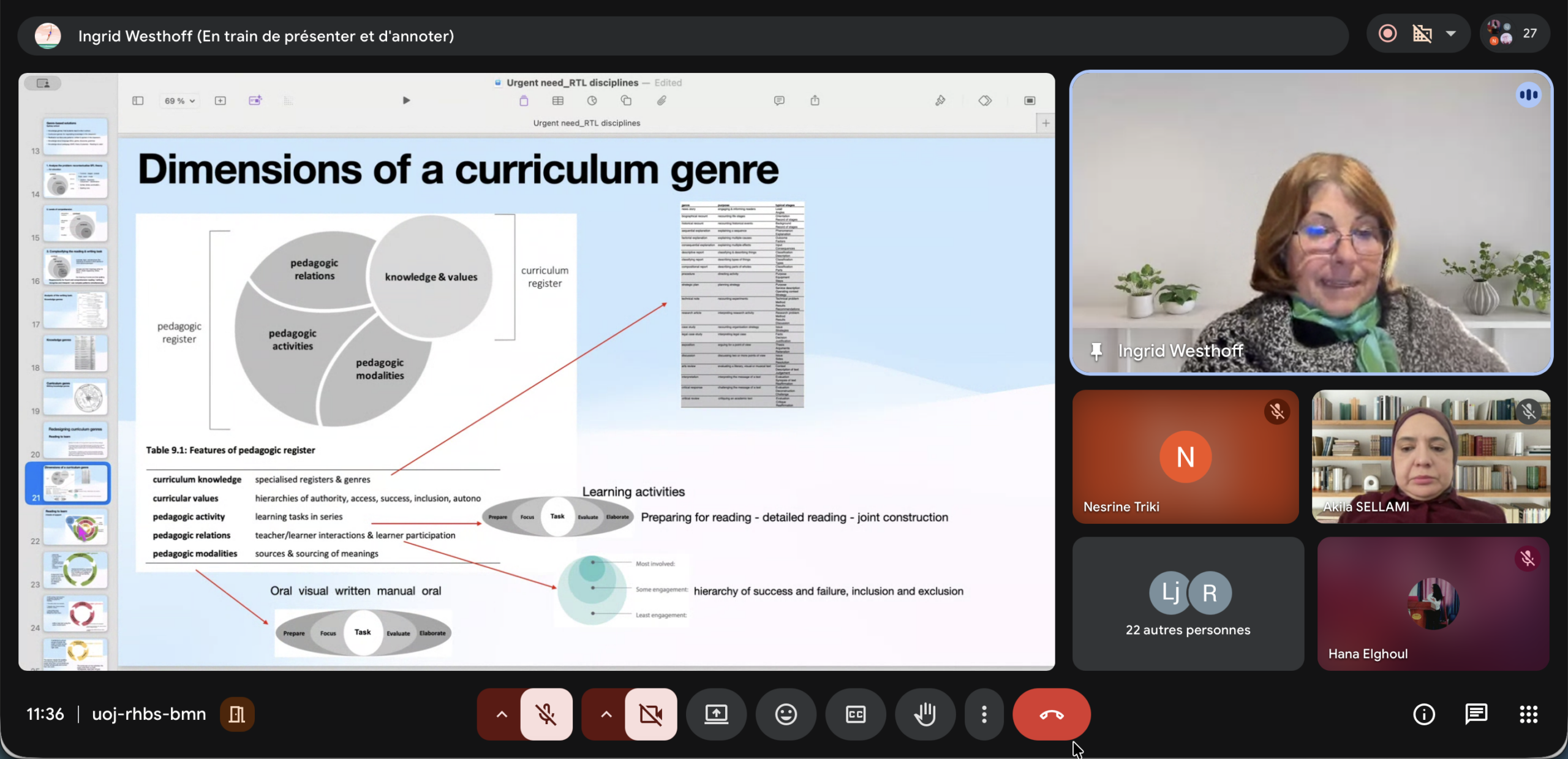
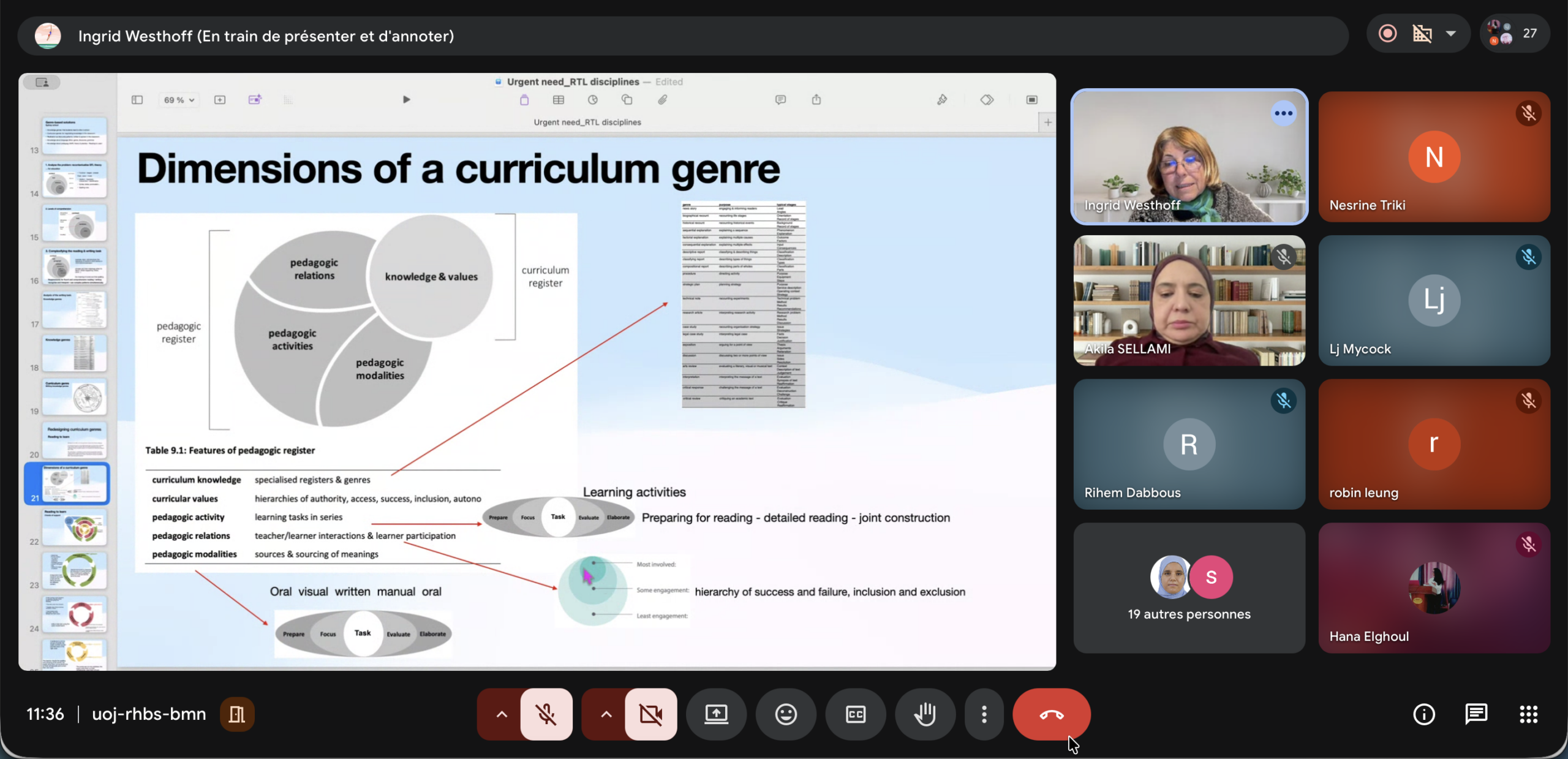
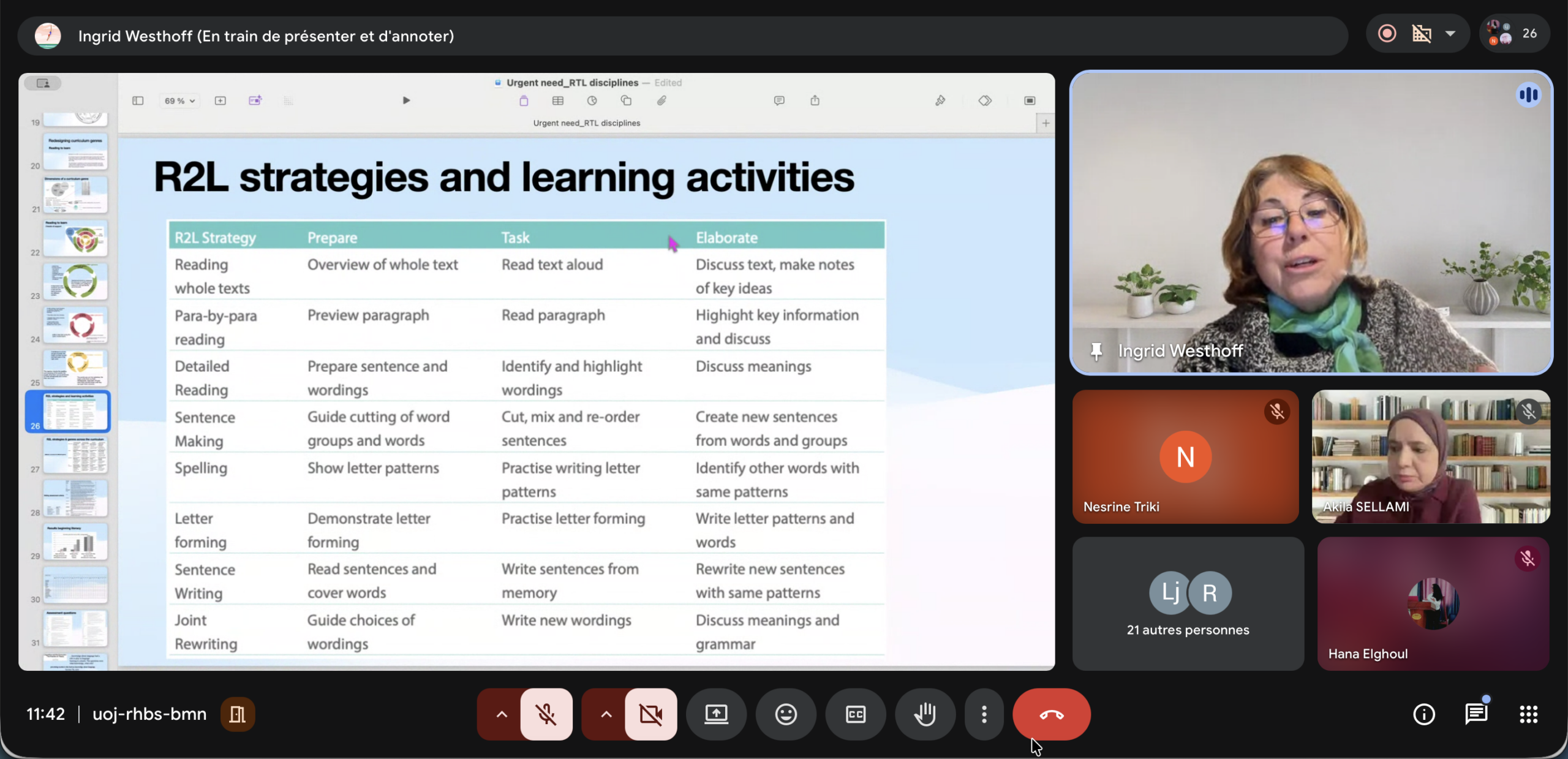
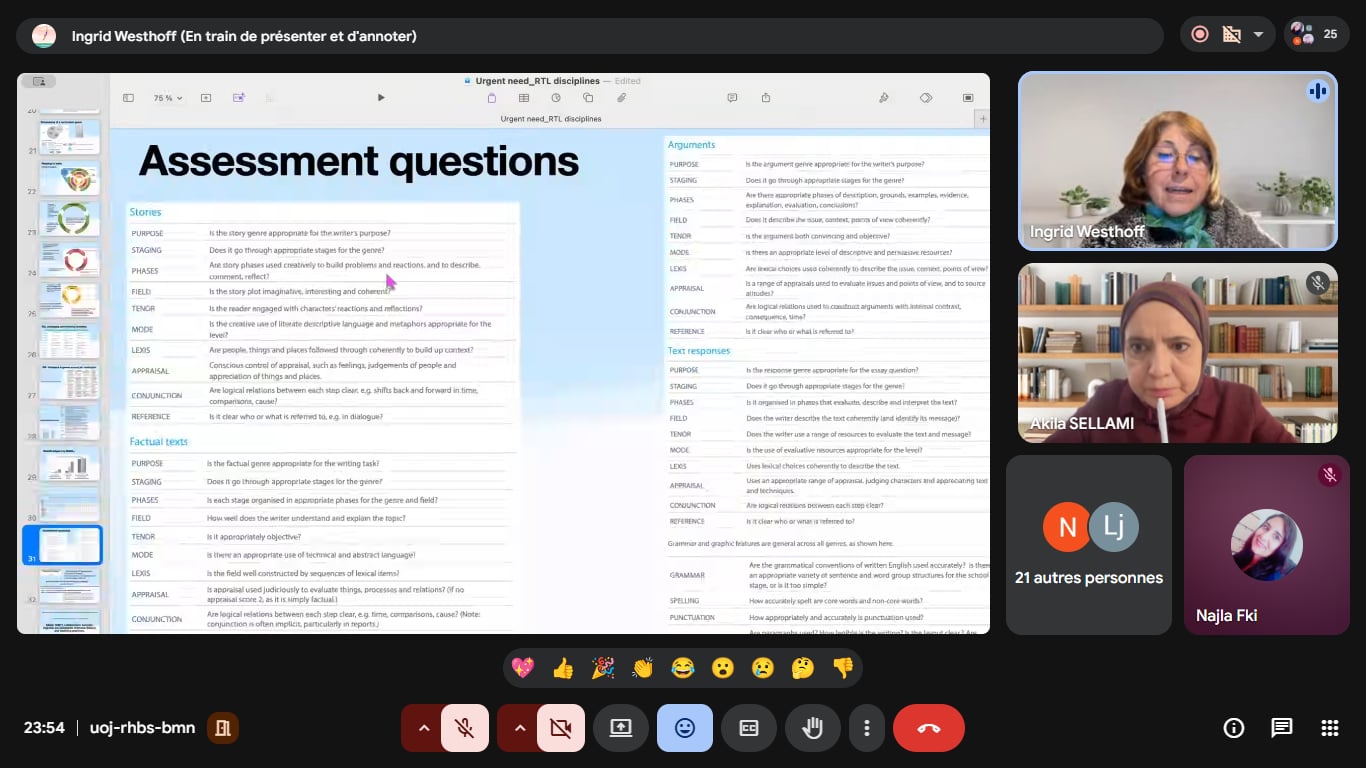
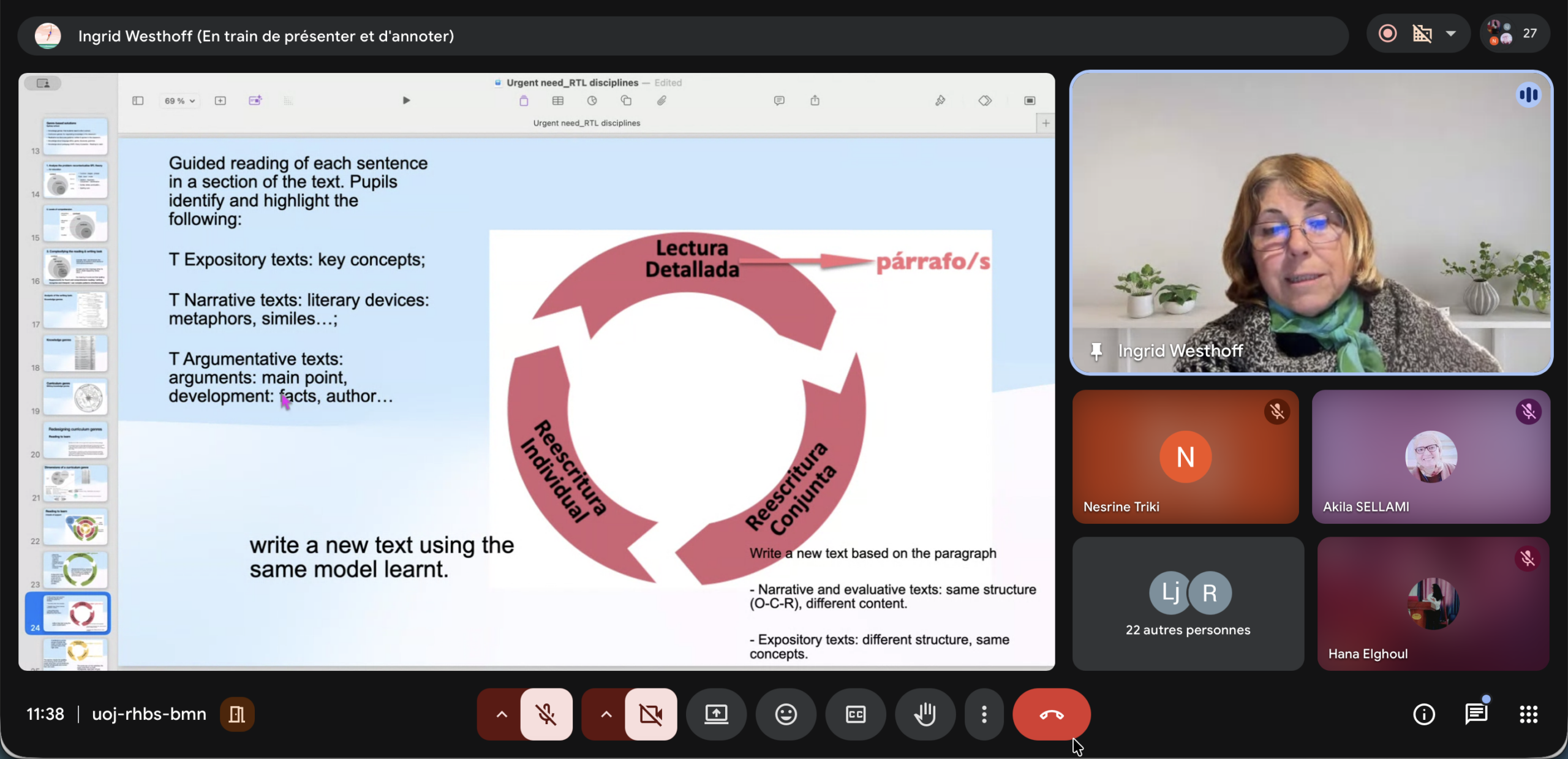
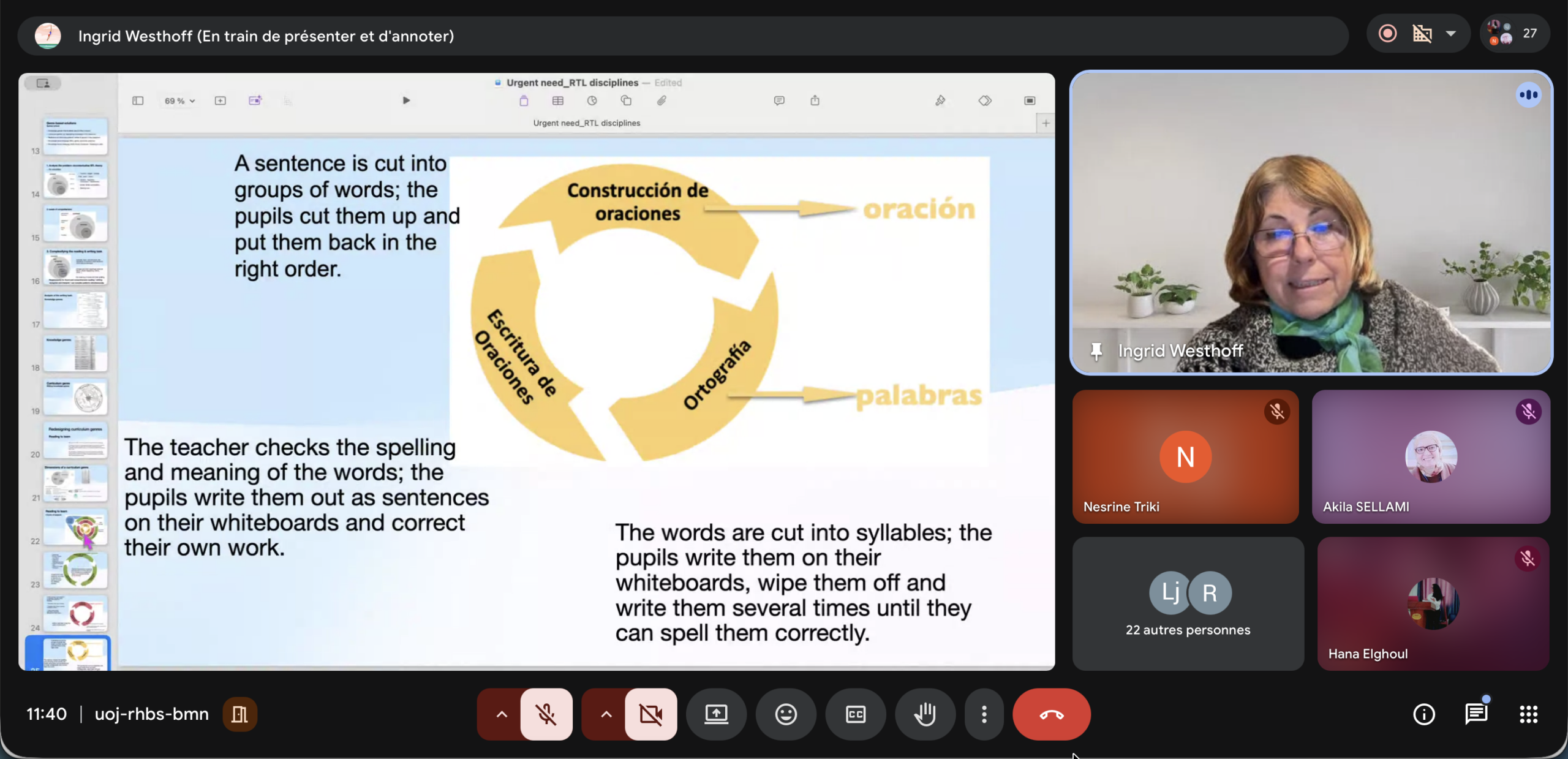
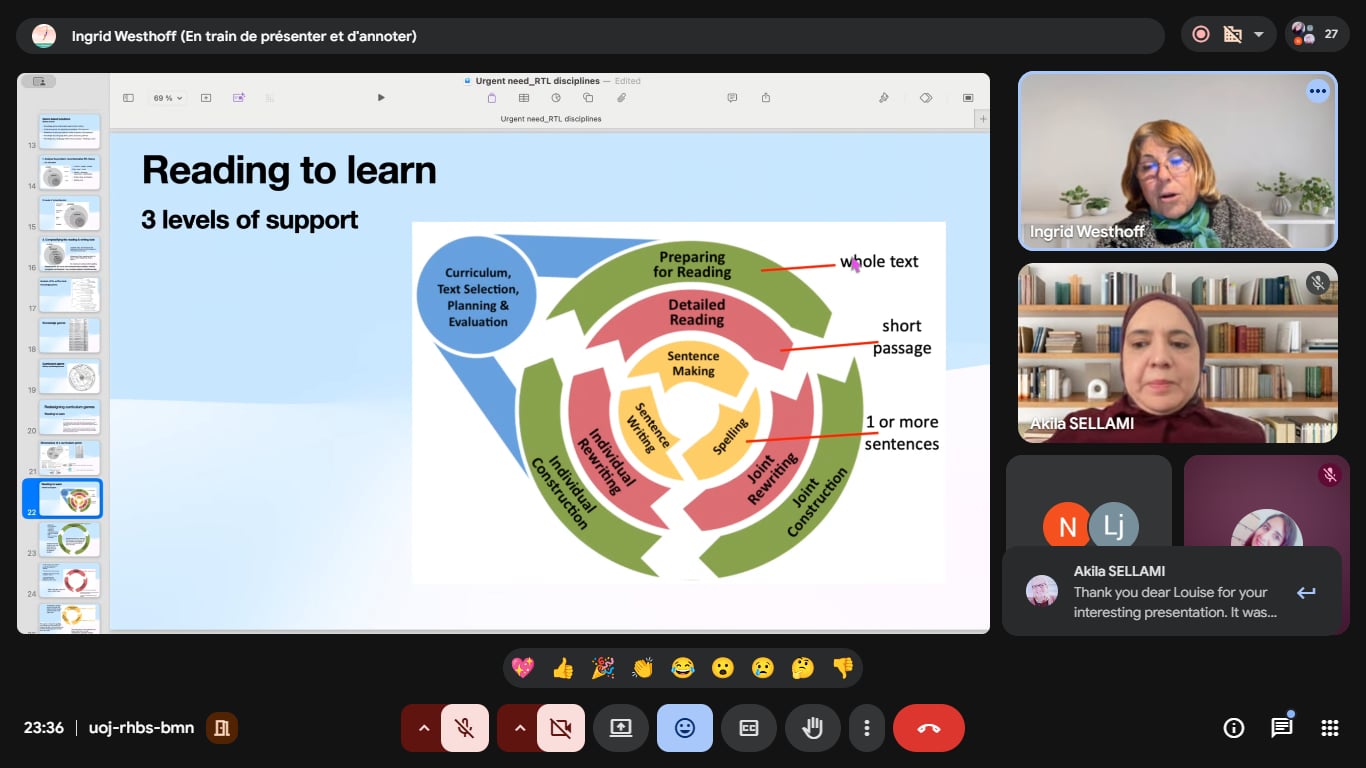
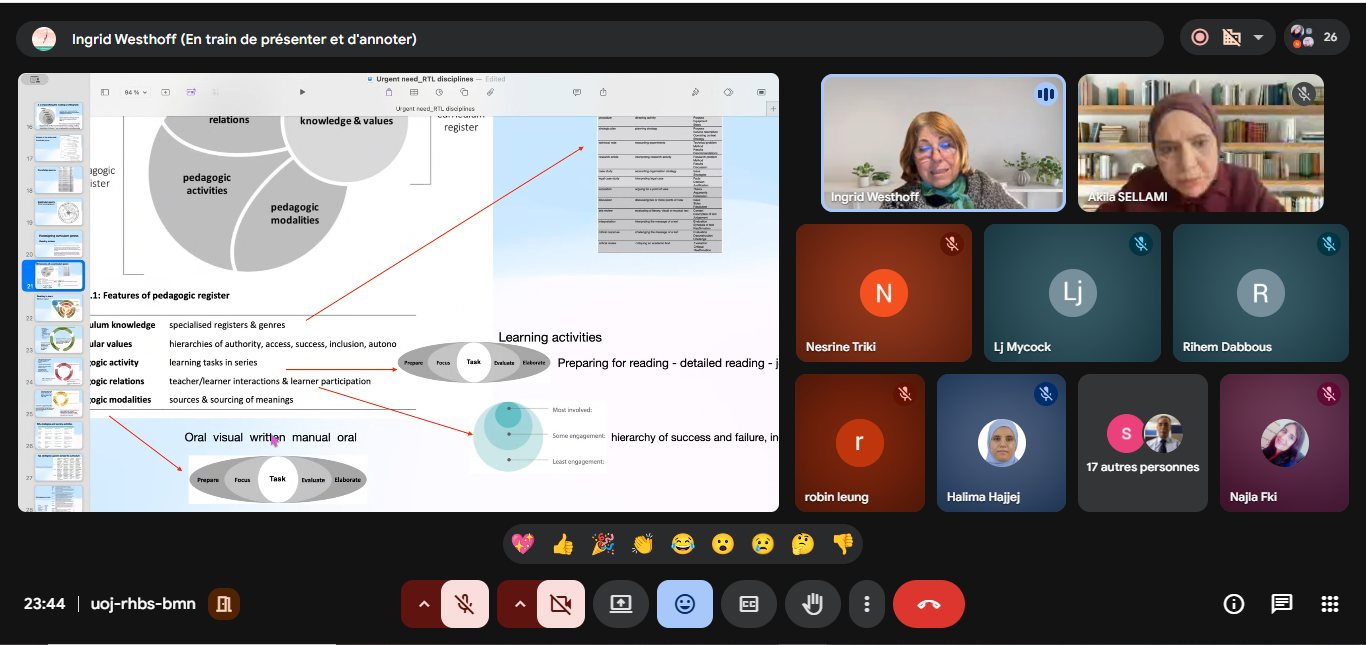
Title: The urgent need to include SFL-based educational linguistics in teacher education: Reading to learn in the disciplines
ABSTRACTS
Dr. Louise Mycock: Coherence and Attitude: Analysing the Protag Construction over time
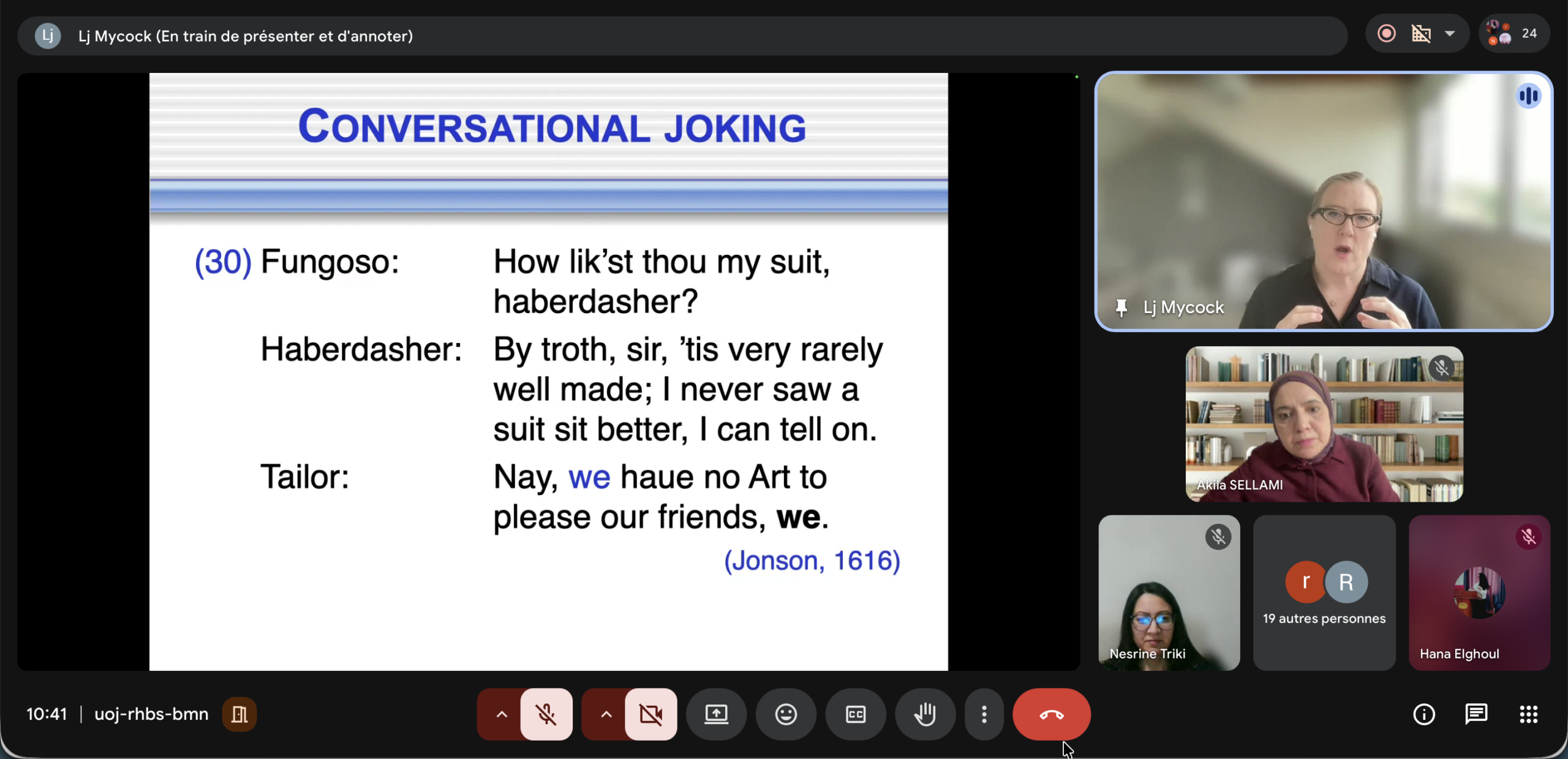
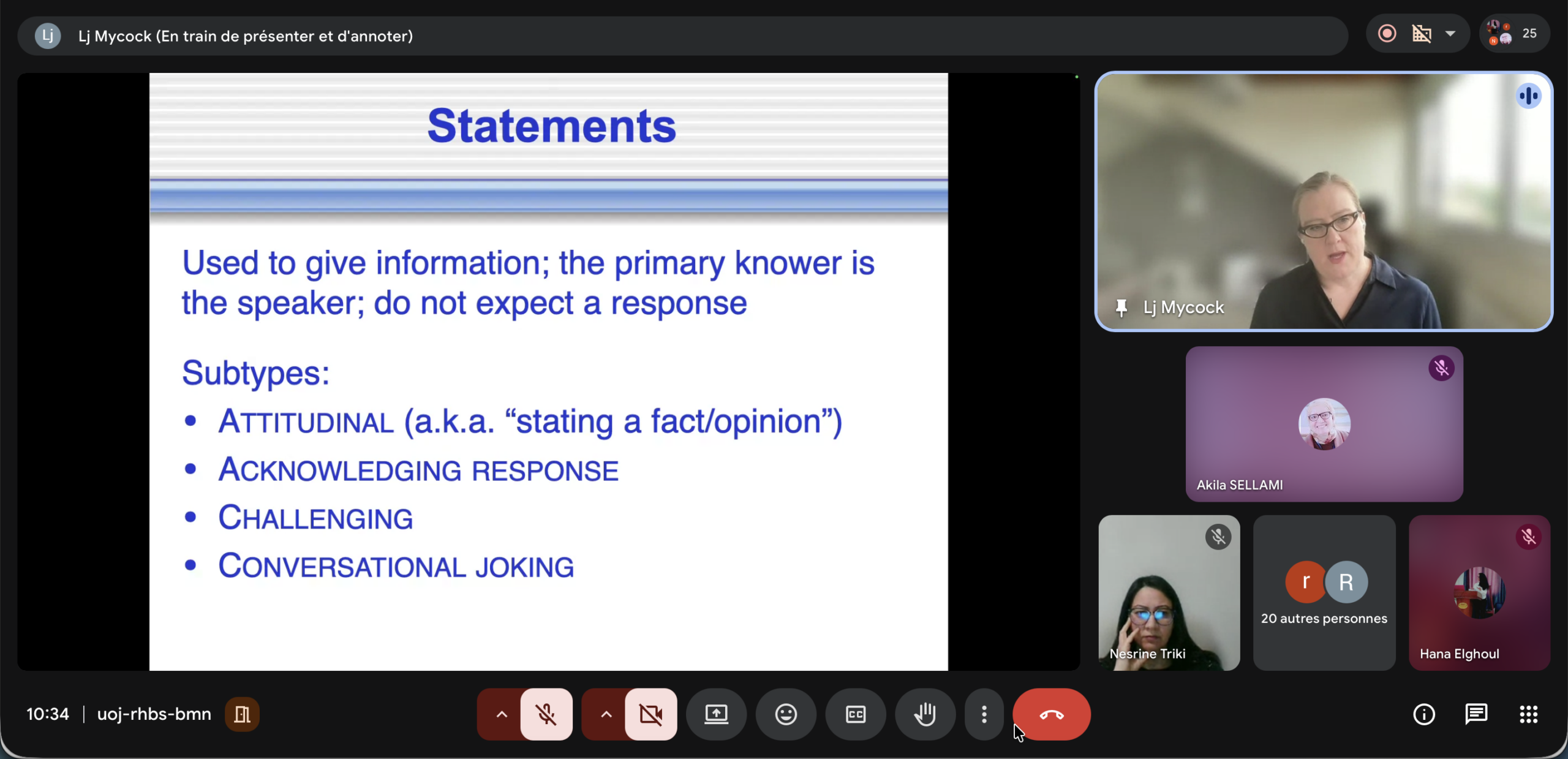
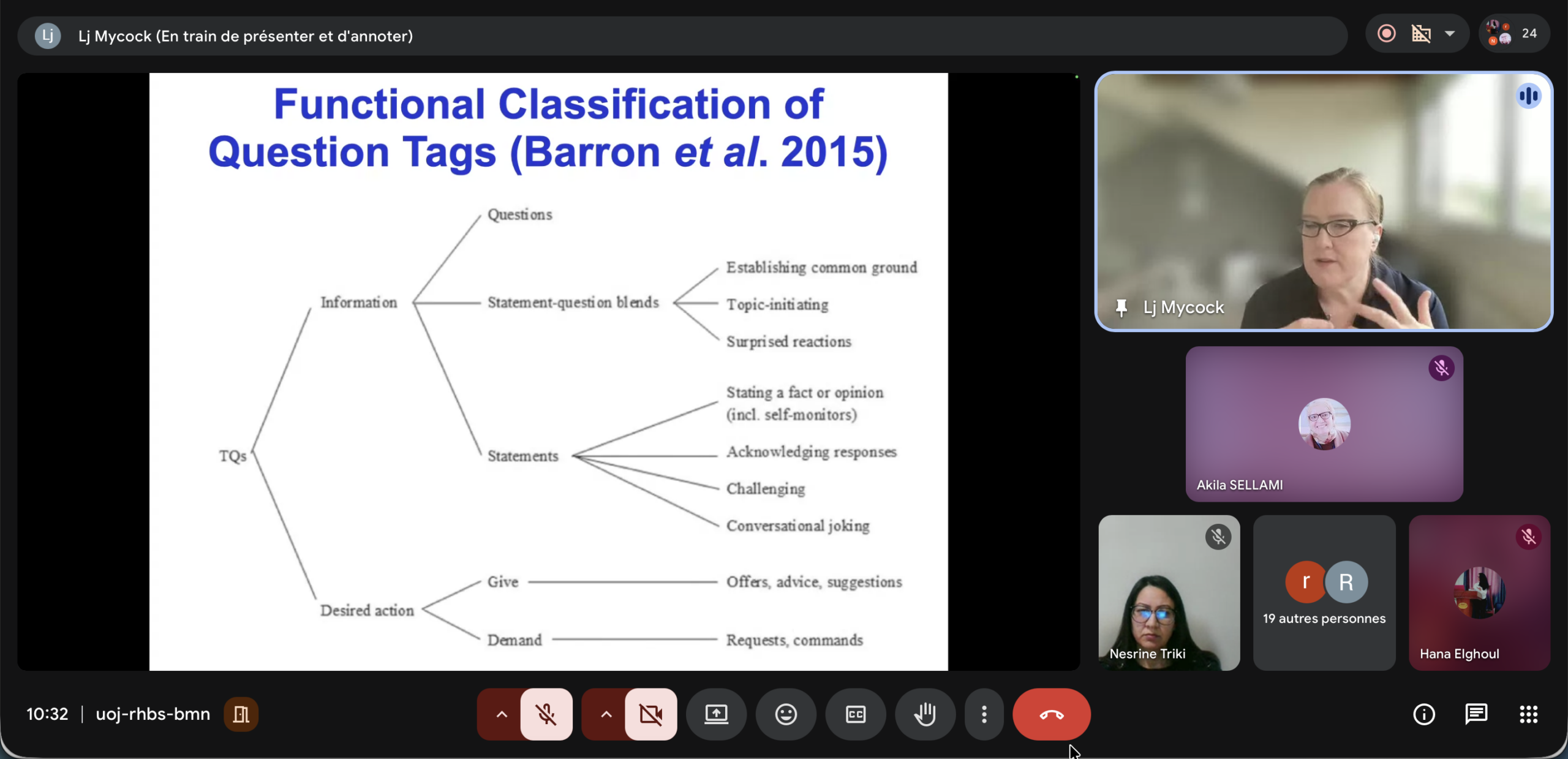
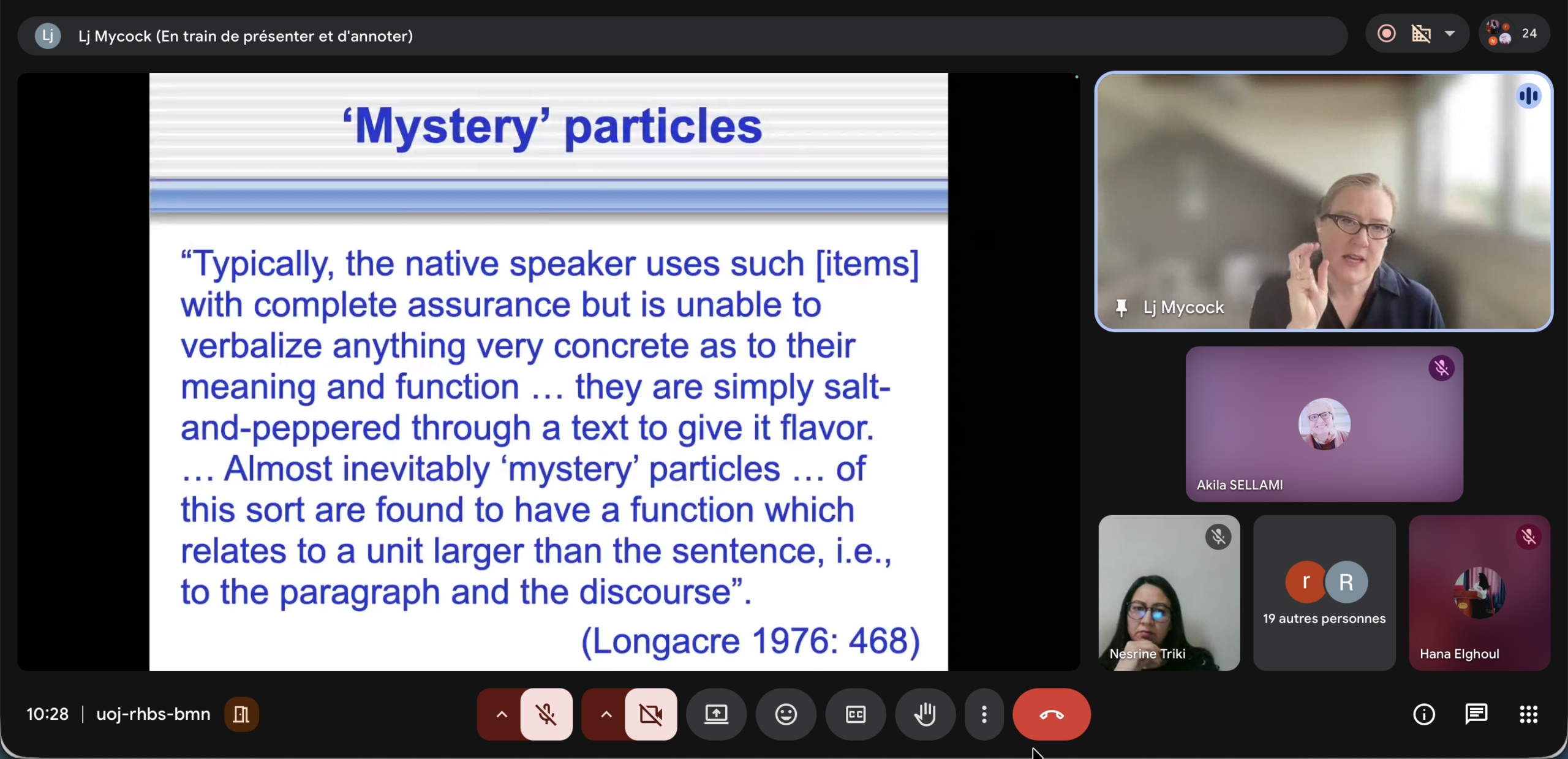
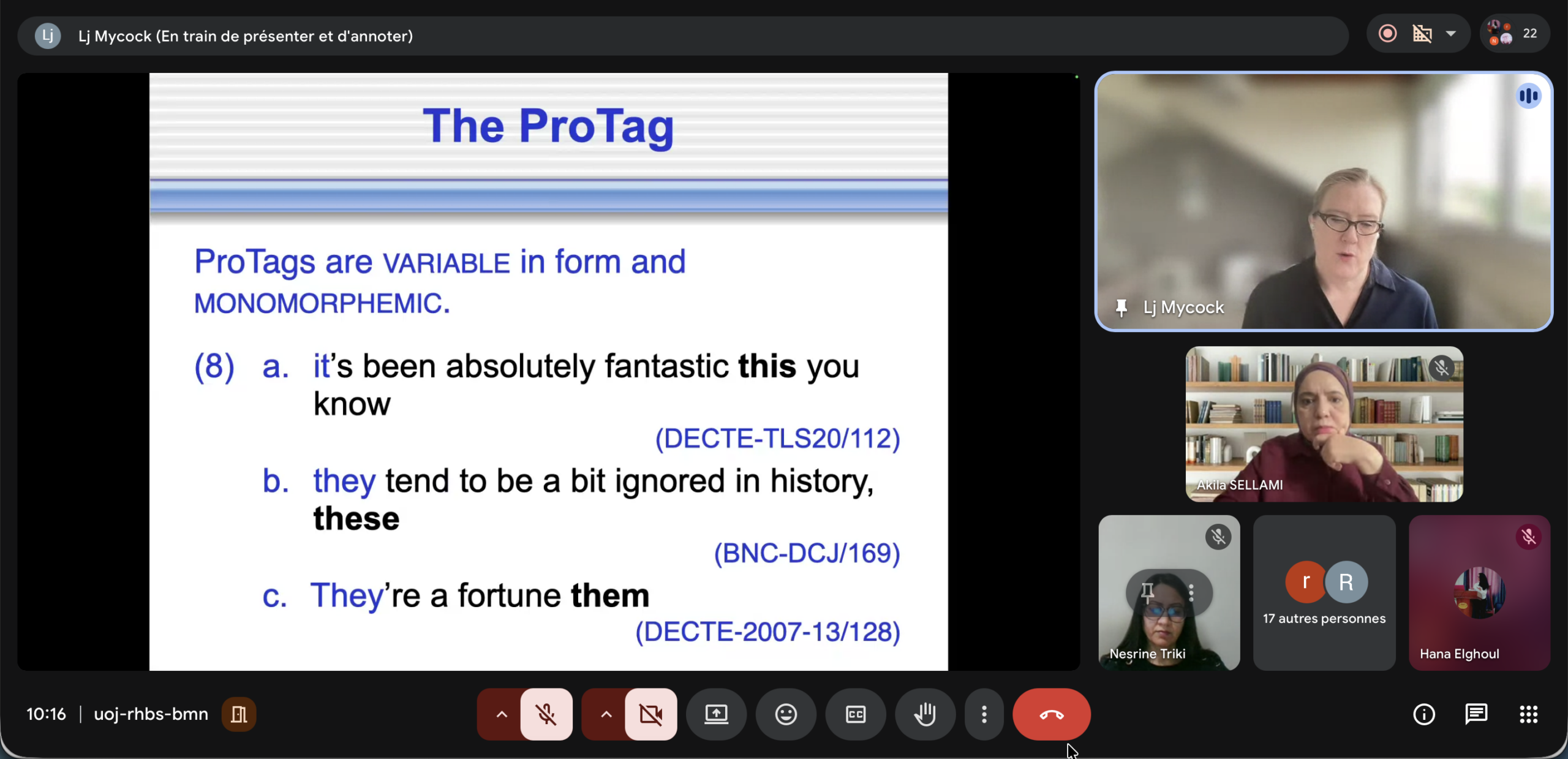
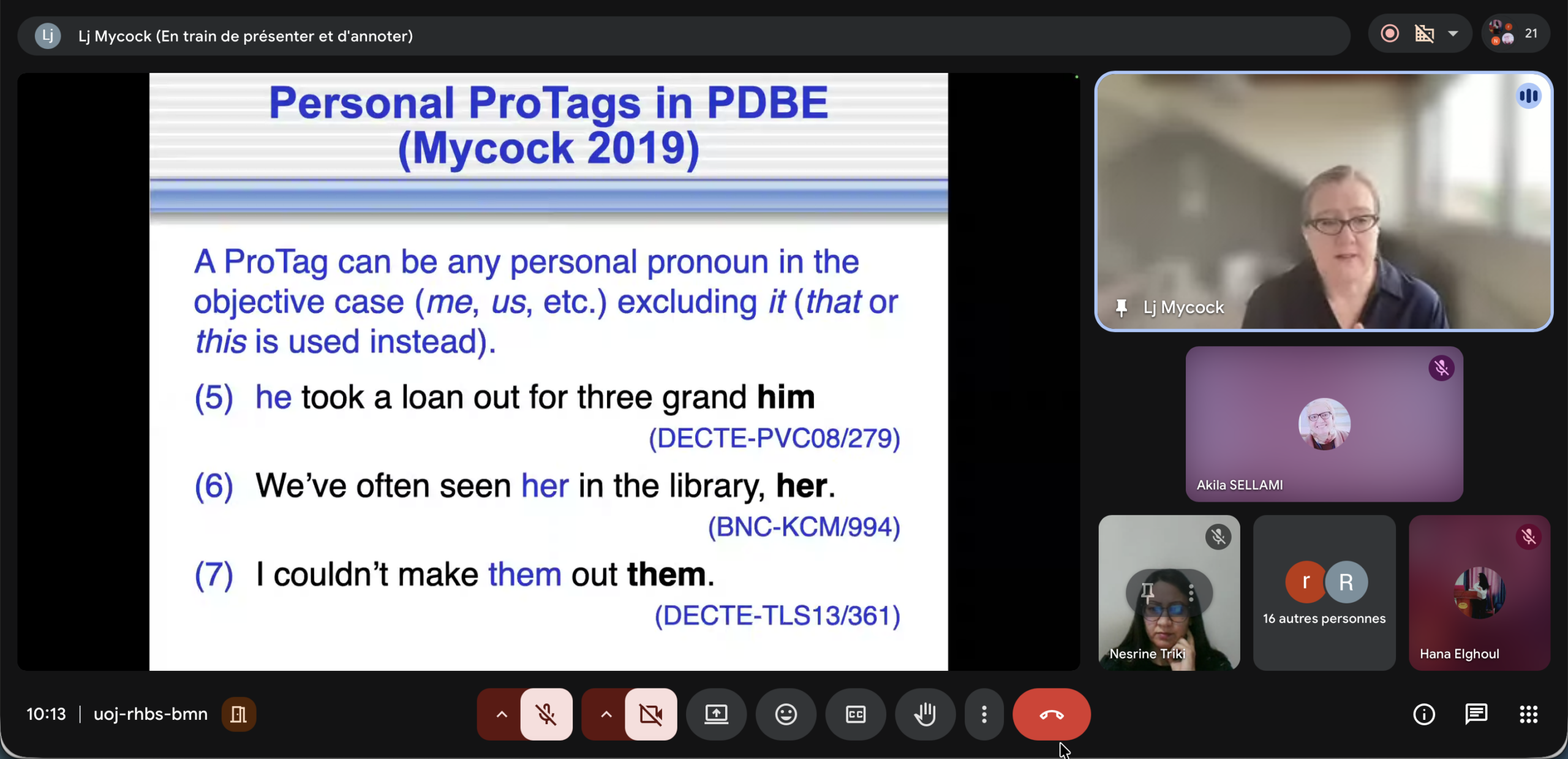
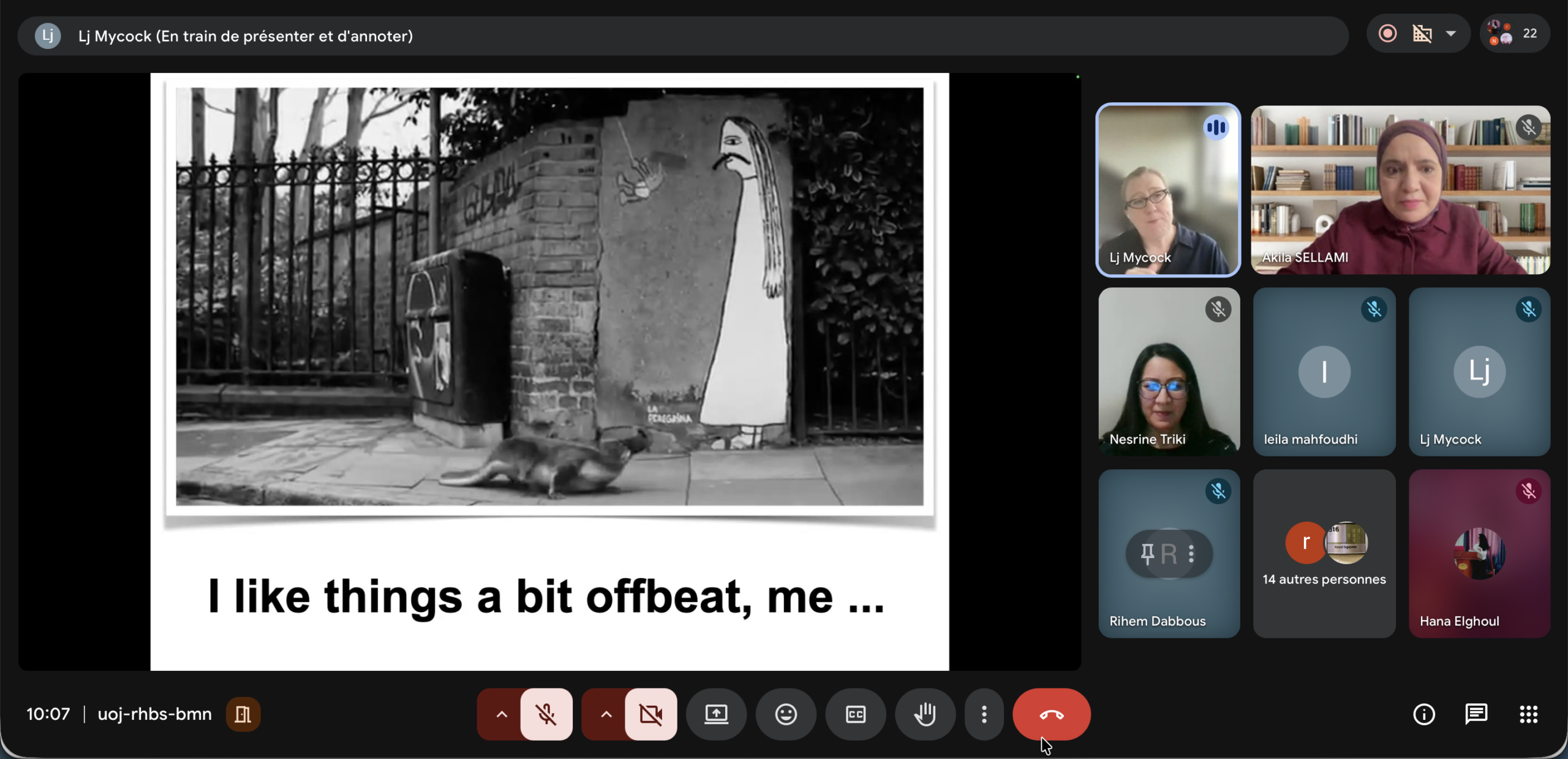
In this talk I explore the distribution and functions of discourse markers, taking the ProTag construction as a case study. This construction, exemplified by “That was amazing that” and “I can’t help it me”, includes an apparently superfluous demonstrative or personal pronoun that can co-refer with a constituent, usually a subject pronoun, in the clause to which it is attached. It is a surprisingly long-standing feature of colloquial British English, being present since at least the 16th century (“you mean it for an Insult this” Thomson 1738, ‘They use it in their prayers, they” D’Avenant 1629). I consider the polyfunctionality of the ProTagconstruction and the insights that its functions and their analysis provide with respect to both its occurrence through time and its possible origins.
Dr. Ingrid Westhoff: The urgent need to include SFL-based educational linguistics in teacher education: Reading to learn in the disciplines
Despite the conviction that education drives opportunity, PISA 2022 exposes a learning crisis in Latin America, marked by socioeconomic gaps and stagnating outcomes. While families, the state, and universities share responsibility, primary teachers strategically build foundational skills. This talk adopts an educational linguistics perspective, echoing M. A. K.
Halliday’s view that learning is fundamentally a linguistic process. Drawing on J. R. Martin’s call for collaborative action research, we argue for translating linguistic theory into pedagogy. The Reading to Learn program exemplifies this approach, using genre to bridge disciplinary knowledge and language development. By understanding how knowledge is organized through language, teachers can enhance both quality and equity. Therefore, fostering dialogue between Schools of Education and Linguistics departments is essential to strengthen teacher education. Ultimately, students benefit most, but educators bear a broader responsibility to act as agents of change. We affirm Halliday’s assertion that linguistics constitutes ideologically committed social action, ensuring that theoretical insights inform classroom teaching to address structural inequalities and secure quality education for all children and youth across the region. Such coordination promotes complementary research and innovative practices that strengthen teacher education for society.